
Recently Published Articles

Editorial | Open Access
Published on: 29 Oct 2026
Article ID: wjhns.2026.j2903
Beyond Surgical Precision: Innovating with Artificial Intelligence to Prevent WMSDs and Promote Global Health Equity
Work-Related Musculoskeletal Disorders (WMSDs) represent a major occupational health issue among surgeons in the context of global health [1, 2]. Prolonged static postures, repetitive movements, and visual strain inherent in surgical work expose practitioners to neck, back, and upper limb pain, which can impair their quality of life and professional longevity [3]. A meta analysis estimated the prevalence of neck pain at 60% and that of back pain at 49% over a 12-month period among surgeons…

 DOI: 10.5281/zenodo.23912495 »
Research Article | Open Access
Published on: 26 Oct 2026
Article ID: wjhns.2026.j2601
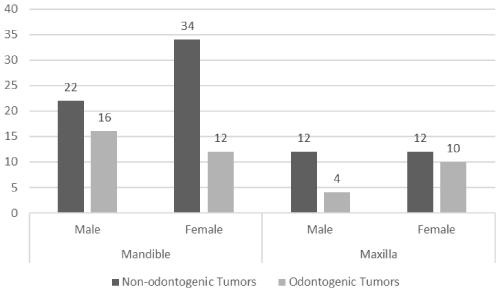
Benign Non-Odontogenic and Odontogenic Jaw Tumors in Children and Adolescents: Distribution, Clinico Pathological Features and Surgical Management
Introduction: Non-odontogenic and odontogenic tumors are not common in children and adolescents. This study aimed to investigate the distribution clinical and pathological features and surgical management of intraosseous benign JT in pediatric patients.
Patients and Methods: This prospective study included children and adolescents who presented with non-odontogenic and odontogenic tumors that were surgically managed. Distribution, clinico…

Research Article | Open Access
Published on: 26 Oct 2026
Article ID: wjhns.2026.j2602
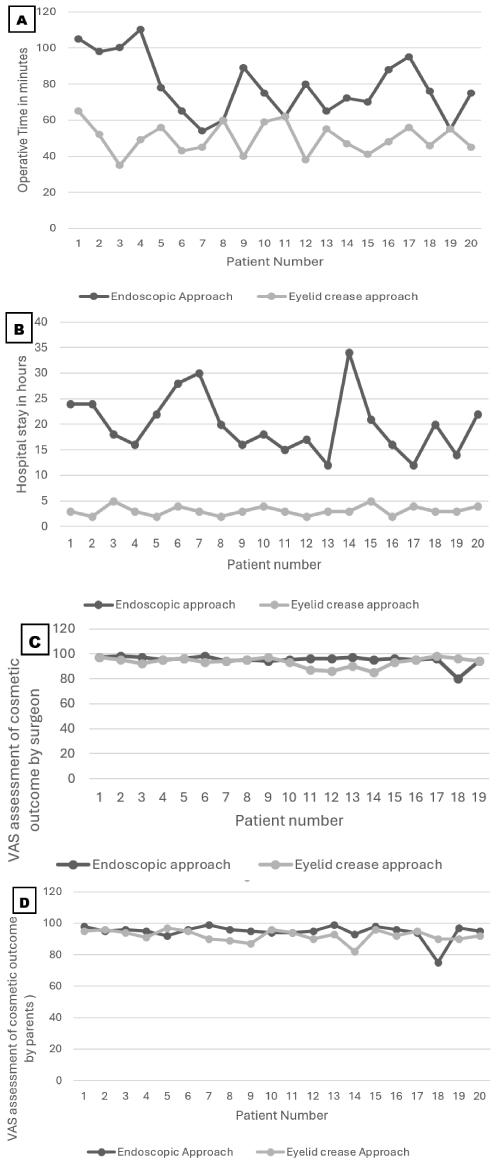
Endoscopic Versus Upper Eyelid Approaches for Excision of Pediatric External Angular Dermoid Cysts: A Prospective Cohort Study
Background: The treatment of external angular dermoid cysts is surgical excision through the direct surgical approach, the upper eyelid crease approach, or the endoscopic approach which uses hidden scalp incision to avoid facial scar. This study aimed to study and compare the surgical and cosmetic outcomes between endoscopic approach and upper eyelid crease approach and to determine which is better for such cases.
Methods: A prospective cohort…

Case Report | Open Access
Published on: 22 Oct 2026
Article ID: wjhns.2026.j2203
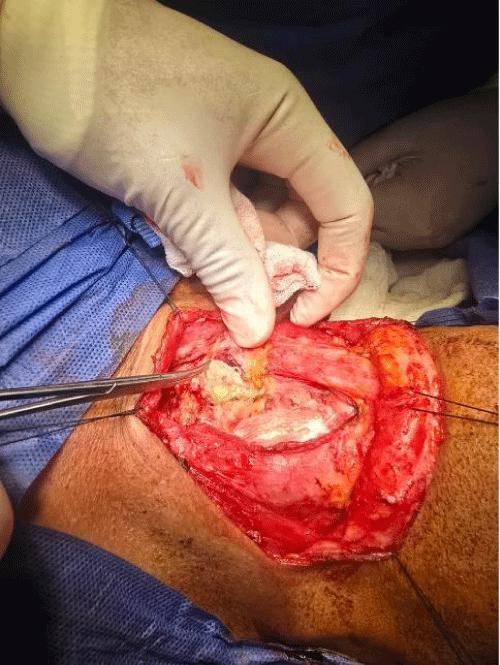
Novel Tracheal Reconstruction Using NEOVEIL® PGA Felt and Sternothyroid Flap
Background: Tracheal wall defects pose substantial reconstructive difficulties in head and neck surgery, particularly when complicated by chronic inflammation, fibrosis, and retained foreign material. Although multiple repair techniques have been documented, the application of absorbable Polyglycolic Acid (PGA) sheets in tracheal reconstruction remains infrequently reported.
Case Presentation: We describe a 54-year-old male who developed a…

Systematic Review | Open Access
Published on: 05 Sep 2026
Article ID: wjhns.2026.i0502
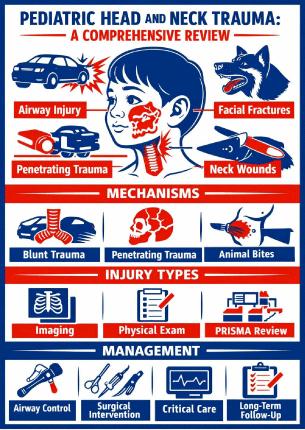
Neonatal and Pediatric Head and Neck Trauma: A Comprehensive Review and Systematic Evidence Synthesis (1965–2026)
Background: Neonatal and pediatric head and neck trauma presents unique diagnostic and management challenges due to anatomical immaturity, age specific injury patterns, and evolving mechanisms of trauma. Early literature highlighted the vulnerability of the pediatric airway and craniofacial skeleton, while contemporary studies emphasise imaging-based evaluation and multidisciplinary care.
Objective: To synthesise historical and contemporary…


Case Report | Open Access
Published on: 07 Feb 2026
Article ID: wjhns.2026.b0701
A Complex Pediatric Case of Pulmonary Vascular Hypertension Following Foreign Body Inhalation, Viral‑Induced Wheeze, Micronutrient Deficiencies, Immune Dysfunction and Colorectal Motility Disorder in a Toddler Simulating Status Asthmaticus
Pulmonary Vascular Hypertension (PVH) in early childhood is uncommon and often overlooked when children present with acute severe wheeze. We report a complex case of a 2‑year‑old girl with colorectal motility disorder, micronutrient deficiencies, immune dysfunction, and recurrent viral‑induced wheeze who developed sudden severe respiratory distress. Her presentation mimicked status asthmaticus but was ultimately attributed to foreign body aspiration and unrecognised pulmonary vascular…

Review Article | Open Access
Published on: 21 May 2025
Article ID: wjhns.2025.e2102
A New Paradigm for the Hearing Theory
The first part of the paper provides a general overview of the paradigm for the hearing theory. Attention was drawn to the need for creating a new paradigm and to the problems with its acceptance. It is necessary to supply good documentary evidence for the big change between the old, recognised paradigm and the new one, based on new assumptions, new science and solid evidence. The second part briefly describes, in bullet points, the most important problems of Bekesy's travelling wave…
