
Browse Articles Online
Review Article | Open Access
Published on: 08 Oct 2026
Article ID: wjam.2026.j0801
Shilajit in Andrology: Experimental Evidence, Clinical Studies, and Therapeutic Potential for Male Reproductive Health
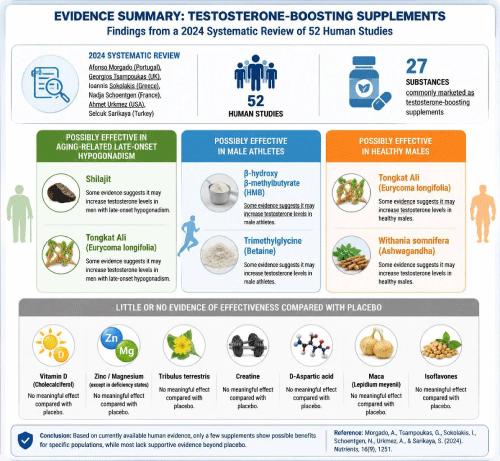
Background: Shilajit is a naturally occurring, mineral-rich organic exudate. Increasing scientific interest has focused on its potential role in male reproductive health, testosterone regulation, and fertility. A recent 2024 systematic review of 52 human studies evaluating 27 testosterone-boosting supplements identified Shilajit as one of the few supplements with possible efficacy in aging-related late-onset hypogonadism.
Objective: To summarize…


Review Article | Open Access
Published on: 08 Oct 2026
Article ID: wjpt.2026.j0802
Mesterolone: Historical Perspectives, Clinical Applications, and Emerging Experimental Evidence
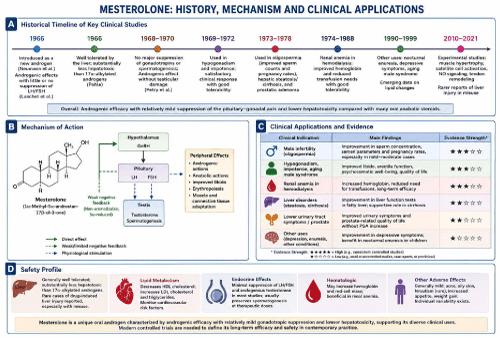
Mesterolone (1-alpha-Methyl-5-alpha-androstan-17-beta-ol-3-one) is a synthetic orally active dihydrotestosterone derivative introduced during the 1960s as a comparatively mild androgen with limited antigonadotropic and hepatotoxic effects relative to many contemporary oral anabolic steroids. This paper summarizes the historical development, pharmacological characteristics, clinical applications, and experimental studies related to mesterolone over more than five decades.
Early…

Review Article | Open Access
Published on: 08 Oct 2026
Article ID: wjt.2026.j0803
Emerging Trends in Paediatric Toxicology: Psychotropic Drug Poisoning, High‑Risk Ingestions, and the Rising Burden of Adolescent Self‑Harm
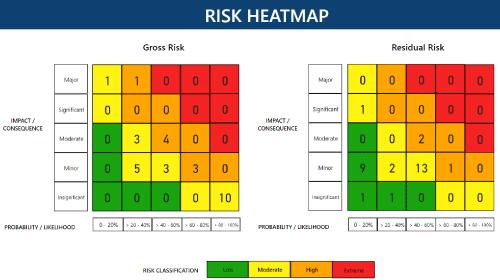
Paediatric toxicology has undergone a profound epidemiological shift over the past decade. While accidental ingestions in toddlers remain common, a rapid rise in psychotropic drug poisoning and intentional self-harm ingestion among adolescents has transformed clinical practice. Psychotropic exposures have increased from 18.5% to 31.2% in recent years, with self-harm ingestion emerging as one of the strongest predictors of severe poisoning. Toddlers remain vulnerable to “one pill killers”…

Case Report | Open Access
Published on: 01 Oct 2026
Article ID: wjms.2026.j0101
An Atypical Presentation of Pelvic Inflammatory Disease in a Patient with Autism: A Case Report
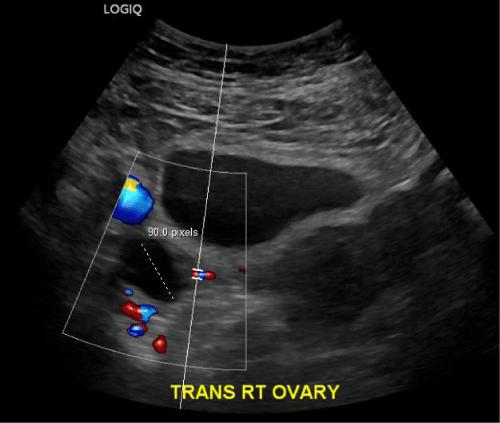
Pelvic inflammatory disease can be an incredibly difficult condition to treat. The patient having a developmental disability such as autism can further complicate the matter. When numerous imaging studies, lab reports, and hospital admission have been pursued and symptoms persist, the situation begins to take the form of a novel clinical case. We present the case of an autistic woman who had persistent abdominal pain over the course of 5 years. After non-gynecologic causes of her pain were…

Case Report | Open Access
Published on: 01 Oct 2026
Article ID: wjets.2026.j0102
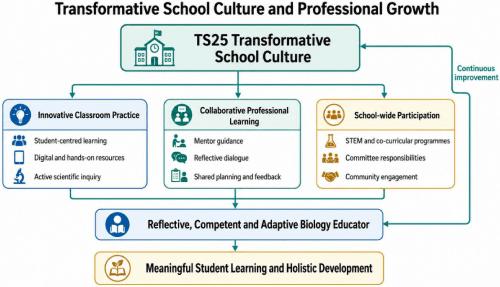
Learning in a Transformative School Culture: Reflections from a Biology Teaching Practicum
Teaching practicum enables pre-service teachers to connect educational theory with professional practice while experiencing the organisational and relational conditions of school life. The culture of the host school can therefore influence pedagogical learning, professional identity, collaboration, and confidence. This reflective commentary examines a biology teaching practicum conducted from 30 March to 31 July 2026 at a Malaysian secondary school participating in the School Transformation…

Case Report | Open Access
Published on: 01 Oct 2026
Article ID: wjets.2026.j0103
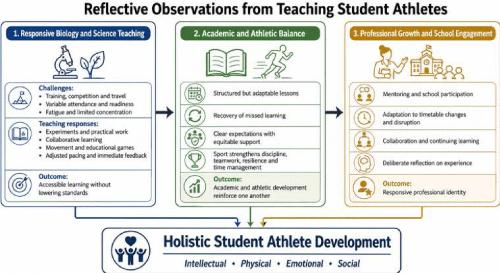
Teaching Student Athletes: Reflections from a Biology and Science Teaching Practicum in a State Sports Secondary School
Teaching practicum provides pre-service teachers with authentic opportunities to apply pedagogical knowledge and adapt to the characteristics of particular educational settings. State sports secondary schools are distinctive because academic learning is integrated with intensive athletic training and broader student development. Teachers in these schools must balance curriculum requirements with the academic, physical, and psychological needs of student-athletes whose participation may be…


Review Article | Open Access
Published on: 01 Oct 2026
Article ID: wjvsah.2026.j0104
Major Reproductive Problems in Dairy Cows; Diagnostic Approaches and Management: A Review
Reproductive disorders are the principal problems influencing the productivity and production of domestic animals. The main reproductive-related problems that directly affect the reproductive performance of dairy cows are categorized as follows: retained fetal membrane, uterine prolapse, and puerperal infections like endometritis, pyometra, and metritis; accidents that occur before gestation (abortion, vaginal prolapse, and dystocia); and accidents that occur during gestation (abortion,…

Case Report | Open Access
Published on: 01 Oct 2026
Article ID: wjfsc.2026.j0105
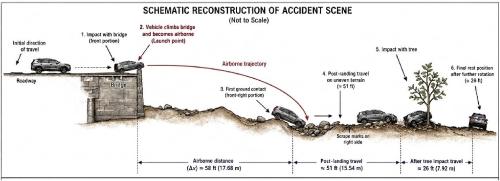
Forensic Reconstruction of an Anomalous Airborne Vehicle Trajectory Following Bridge Impact: A Physics-Based Case Study Using Projectile Motion Analysis
Reconstruction of Forensic Road Traffic Accidents (RTA) often relies on physical evidence such as tyre marks, skid marks, deformation patterns on vehicle, electronic vehicle data, and witness statements. In some rare road accident investigations, however, conventional indicators of vehicle speed are insufficient and making reliable accidence reconstruction challenging. Under such circumstances, the application of classical mechanics provides a scientific theory for determining the motion…
Letter to Editor | Open Access
Published on: 01 Oct 2026
Article ID: wjed.2026.j0106
Body Weight is Not Enough to Monitor Incretin Therapy in India
Falling body weight is not a reliable marker that incretin therapy is helping the patient. This is a counterpart to the concern raised in this journal by Misra and colleagues, that a low body mass index is not a reliable marker of malnutrition [1]. We wish to raise a related problem.
The Indian patent for semaglutide ended on 20 March 2026. The next day several DCGI approved generic brands were launched, costing about ₹1,290 to ₹4,200 a month [2]. Prescribing has moved from…

Case Report | Open Access
Published on: 30 Sep 2026
Article ID: wjan.2026.i3001
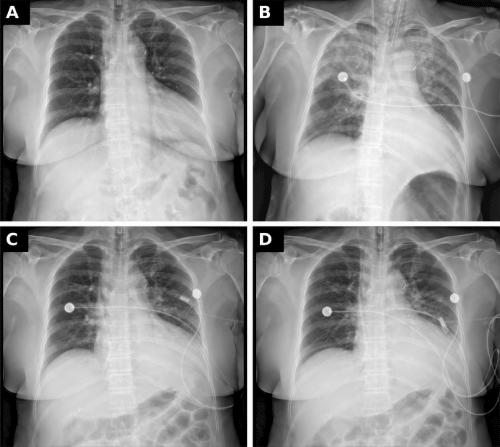
Postextubation Upper-Airway Obstruction Leading to Negative-Pressure Pulmonary Edema and Hypoxic Cardiac Arrest Despite Apparent Recovery After Sugammadex Reversal: A Case Report
Postextubation upper-airway obstruction may cause negative-pressure pulmonary edema (NPPE) and, rarely, life-threatening cardiovascular collapse. Apparent clinical recovery after neuromuscular blockade reversal does not necessarily ensure adequate upper-airway function.
A 67-year-old woman underwent laparoscopic cholecystectomy under general anesthesia with induction of rocuronium. At the end of surgery, the train-of-four (TOF) count was 2, and sugammadex over 2 mg/kg was…