Recently Published Articles

Systematic Review | Open Access
Published on: 05 Sep 2026
Article ID: wjprm.2026.i0501
Pulmonary Talcosis Across Five Decades: A Route-Based Systematic Review of 40 Patient-Level Cases
Objective: To synthesize patient-level evidence on pulmonary talcosis and compare demographic, exposure-related, clinical, radiologic, histopathologic, management, and outcome patterns across exposure routes.
Methods: PubMed, Google Scholar, and ScienceDirect were searched from inception through April 2026 for patient-level reports. PRISMA 2020, PRISMA-S, and SWiM guidance were followed. Data were summarized descriptively, and selected route…

 DOI: 10.5281/zenodo.22646694 »
Research Article | Open Access
Published on: 18 May 2026
Article ID: wjprm.2026.e1804
Pulmonary Nodules, Experimental and Clinical Studies
Computerized tomography (CT) technique popularity in China led to a new phenomenon— pulmonary nodules in a lot of adults. Effective therapeutics may base on new diagnostic techniques, surgery and drug study. As a new challenge, the diagnostic and therapeutic relations are bridge to narrow to mistake margins and patient incurability. This Article addresses the rollout of new diagnostic-therapeutic techniques and availability for this pattern of pulmonary disease in wide ranges.
…
Letter to Editor | Open Access
Published on: 15 May 2026
Article ID: wjprm.2026.e1503
The Diabetic Lung: Time to Move from Neglect to Recognition
Respected Editor,
Diabetes mellitus (DM) is universally recognized for its devastating microvascular and macrovascular complications. Yet one organ has been conspicuously absent from both clinical guidelines and everyday practice: the lung. A growing body of evidence compellingly positions the lung as a genuine target organ of chronic hyperglycemia, giving rise to the concept of “diabetic pneumopathy” - a term encompassing restrictive ventilatory impairment, reduced diffusing…

Case Report | Open Access
Published on: 06 Apr 2026
Article ID: wjprm.2026.d0606
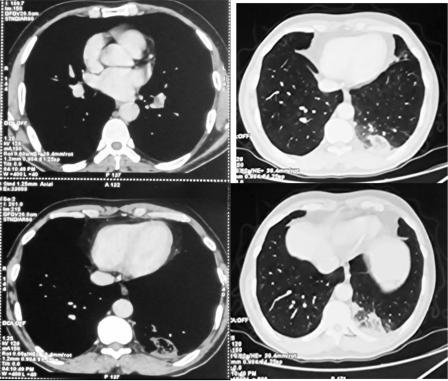
From Pulmonary Embolism to Arterial Pseudoaneurysm: A Case of Aggressive Primary Antiphospholipid Syndrome with DOAC Failure
Introduction: Antiphospholipid Syndrome (APS) is a major cause of acquired thrombophilia, often presenting a diagnostic challenge when clinical manifestations are multifaceted. While venous thromboembolism is common, aggressive arterial involvement represents the "hidden part of the iceberg," carrying a high risk of morbidity and therapeutic failure with newer anticoagulants.
Case Presentation: A 52-year-old male with no prior risk factors…

Case Report | Open Access
Published on: 25 Mar 2026
Article ID: wjprm.2026.c2503
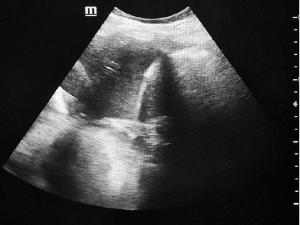
Lupus Pleurisy Revealing Systemic Lupus Erythematosus with Severe Renal Involvement: A Case Report
Systemic lupus erythematosus is an autoimmune disease resulting from a multifactorial disturbance of the immune system and responsible for systemic disorders (respiratory, cardiac, cutaneous, renal, hematological, etc.).
Pleural involvement in systemic lupus erythematosus is frequent. It represents a poor prognostic factor in the evolution of this pathology and has been part of its diagnostic criteria since the 1971 primary classification of systemic lupus erythematosus…

Case Report | Open Access
Published on: 13 Mar 2026
Article ID: wjprm.2026.c1305
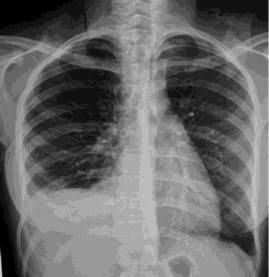
Malignant Pleural Mesothelioma in Women: A Case Report
Pleural mesothelioma is a primary malignant tumor of the pleura whose origin is multifactorial. Exposure to asbestos in the home or at work is the main risk factor incriminated in the pathophysiology of pleural mesothelioma. Occupational exposure makes this pathology a notifiable disease. Diagnosis is histological by thoracoscopy, but histopathological study is difficult because pleural mesothelioma has a broad morphological spectrum and poses a problem of differential diagnosis with several…


Case Report | Open Access
Published on: 13 Mar 2026
Article ID: wjprm.2026.c1306
Pleuropulmonary Staphylococcal Disease in Young Immunocompetent Man: A Case Report
Staphylococcal pleuropulmonary disease (SPP) is an infectious pathology caused by Staphylococcus aureus, a germ responsible for a wide range of suppurative, toxigenic and multifocal infections (cutaneous, osteoarticular, pulmonary, etc.).
This entity is most often associated with staphylococcal acute community-acquired pneumonia, the prevalence of which remains low at 2-5% [1]. It mainly affects the elderly, people living in institutions or with co-morbidities. Recent studies…


Case Report | Open Access
Published on: 26 Feb 2026
Article ID: wjprm.2026.b2603
Empyema Superimposed on Pseudochylothorax: A Report of a Rare Case
Background: Pseudochylothorax is an uncommon chronic pleural effusion characterized by elevated pleural cholesterol levels and typically associated with long-standing pleural inflammation, most commonly Rheumatoid Arthritis (RA) and tuberculosis. Although usually sterile, secondary infection may rarely complicate the condition, particularly in immunocompromised patients, posing diagnostic and therapeutic challenges.
Case: A 54-year-old man with…

Case Report | Open Access
Published on: 17 Jan 2026
Article ID: wjprm.2026.a1701
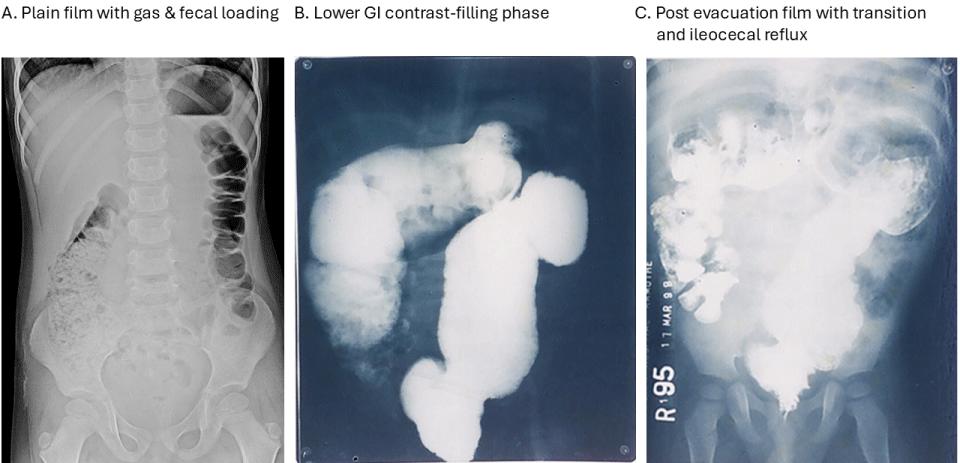
Recurrent Respiratory Tract Infections and Pneumonia in a 4‑Year‑Old Girl with Unrecognized Hypoganglionosis Successfully Treated with Transanal Endosurgical Modified Anorectal Myomectomy
We report a 4‑year‑old girl with recurrent respiratory tract infections and multiple episodes of pneumonia. Despite repeated hospital admissions, the underlying cause remained elusive until severe fecal retention was identified as a contributing factor. Further evaluation revealed previously unrecognized hypoganglionosis. Imaging demonstrated massive fecal loading with diaphragmatic elevation. Rectal biopsies confirmed reduced ganglion cell density consistent with hypoganglionosis. The…

Systematic Review | Open Access
Published on: 13 Jan 2026
Article ID: wjprm.2026.a1301
The Role of Artificial Intelligence–Based Systems in Early Detection of Patient–Ventilator Asynchrony: Implications for Physical Therapy Practice – A Systematic Review
Background: Patient–ventilator asynchrony (PVA) is a common complication in mechanically ventilated patients, leading to increased morbidity, prolonged ventilation, and respiratory muscle fatigue. Early detection is critical. Artificial intelligence (AI) systems, including convolutional neural networks (CNNs) and machine learning algorithms, have been applied to automate detection.
Objective: To systematically review current evidence on AI-based…