Archived Articles

Research Article | Open Access
Published on: 19 Sep 2026
Article ID: wjbc.2026.i1906
Synthetic Biology in Crop Production: Emerging Strategies for Precision and Sustainability
Synthetic biology is transforming the field of crop improvement by allowing the precise control of genetic circuits, metabolic pathways, and regulatory networks. Unlike the conventional transgenic approaches, which involve the alteration of single genes, synthetic biology involves the incorporation of multi-gene constructs, synthetic promoters, and programmable regulatory networks to control the physiological processes in crops. For instance, the engineering of photosynthetic genes such as…

 DOI: 10.5281/zenodo.23113465 »
Research Article | Open Access
Published on: 29 Aug 2026
Article ID: wjbc.2026.h2901
Metabolic Spillover of Dysglycemia: Multiorgan Biochemical Signatures Across Kidney, Liver, and Lipid Pathways
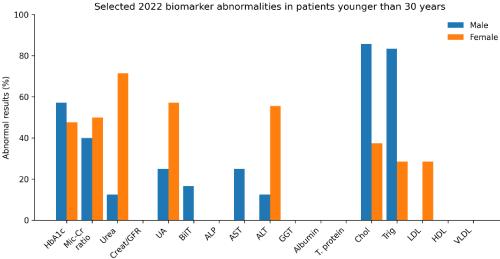
Background: Glycated hemoglobin (HbA1c) is a widely used indicator of chronic glycemic exposure and is central to diabetes diagnosis, monitoring, and prevention of microvascular and macrovascular complications. Because diabetes affects multiple organ systems, interpretation of HbA1c may be strengthened when renal, hepatic, and lipid biomarkers are assessed concurrently.
Objective: This study evaluated the age- and sex-stratified distribution of…

Research Article | Open Access
Published on: 08 Aug 2026
Article ID: wjbc.2026.h0801
Assessment of Health Outcomes Associated with Oral Contraceptive Pill Use Among Rural Women in Pataspur II Block
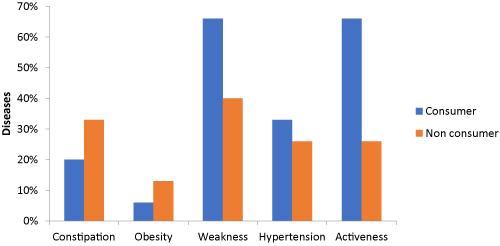
Oral contraceptives, also known as birth control tablets/pills, are medicines that stop pregnancy. About 75% of married women who use contraception in the research location Pataspur-II block area, (Purba Medinipur district) reported they prefer the combined hormonal pill with estrogen and progesterone. Thirty women were chosen at random to participate in the study. Of the 50% who routinely used contraceptive pills and 50% never used them or occasional-ly did so. Her male partner likely uses…

Research Article | Open Access
Published on: 08 Aug 2026
Article ID: wjbc.2026.h0805
Effects on Vitamin A Deficiency Disorder in Rural Areas Special Reference of Barjora Block in the District of Bankura in West Bengal
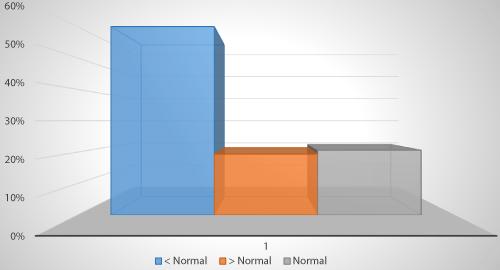
A fat-soluble factor present in butter was essential for the growth of rats on synthetic diet. Carotene is the precursor of vitamin A retinol is vitamin A alcohol found in mammals and is abundant in the liver oils of salt water fish. Fenretinide is a synthetic along of retinol. Vitamin A contents a beta ionane ring. Vitamin A plays a critical role in vision in dim light by the visual cycle. The important deficiency States due to lack of vitamin A in the diet are night blindness, Xerosis…

Research Article | Open Access
Published on: 09 May 2026
Article ID: wjbc.2026.e0903
Prolonged Incubation with Glucose Induces Oligomerization and Aggregation of Hemoglobin: Role of Advanced Glycation End Product on Protein Structure
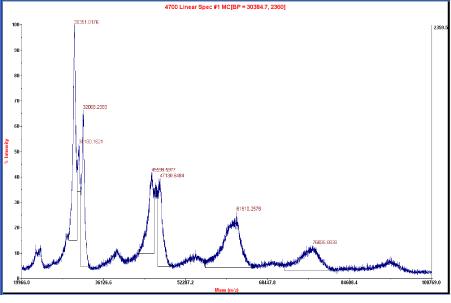
Non-enzymatic glycation is a post-translational modification of proteins that leads to protein crosslinking, aggregation, conformational changes, etc. Chemical reaction of sugars with proteins (Maillard reaction) leads to formation of glycated adducts, known as Advanced Glycation End Products (AGE). HbA1c, the major glycated hemoglobin, increases proportionately with blood glucose concentration in diabetes mellitus. Glycation-induced modification of hemoglobin is a major cause of oxidative…