Archived Articles

Editorial | Open Access
Published on: 15 Oct 2026
Article ID: wjt.2026.j1501
From Environmental Toxicity to Planetary Purity: A Holistic Toxicology Agenda for Human Health, Environmental Resilience, and Healthy Longevity
The twenty-first century may ultimately be remembered not only as the age of artificial intelligence and biotechnology but also as the age of the global exposome. Humanity is now exposed to an unprecedented mixture of environmental toxicants originating from polluted air, contaminated water, industrial chemicals, pesticides, microplastics, endocrine disruptors, ultra processed foods, and climate-related environmental degradation. Together, these factors contribute to a rising burden of…

 DOI: 10.5281/zenodo.23366483 »
Review Article | Open Access
Published on: 14 Oct 2026
Article ID: wjt.2026.j1405
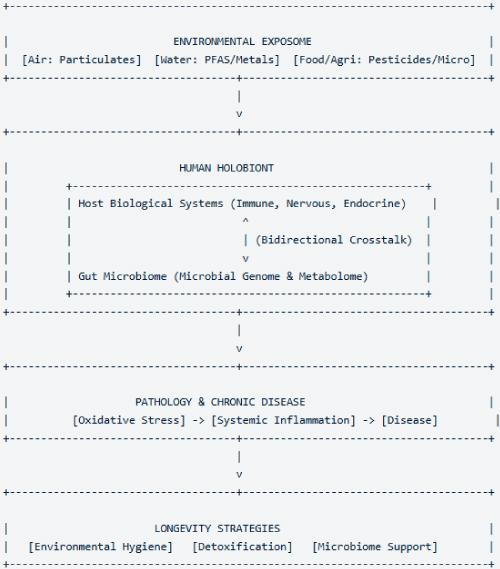
The Environmental Exposome: Toxicity of Air, Water, Food, and Agricultural Pollutants and Emerging Strategies for Detoxification, Holobiotics, Environmental Hygiene, and Healthy Longevity
Background: Environmental pollution has emerged as a major determinant of global disease burden. Continuous exposure to airborne pollutants, contaminated water, pesticides, microplastics, heavy metals, and ultra-processed foods contributes significantly to chronic disease, premature aging, and mortality.
Objective: To review major environmental toxicants and evaluate current approaches to exposure reduction, detoxification, microbiome restoration,…

Review Article | Open Access
Published on: 10 Oct 2026
Article ID: wjt.2026.j1001
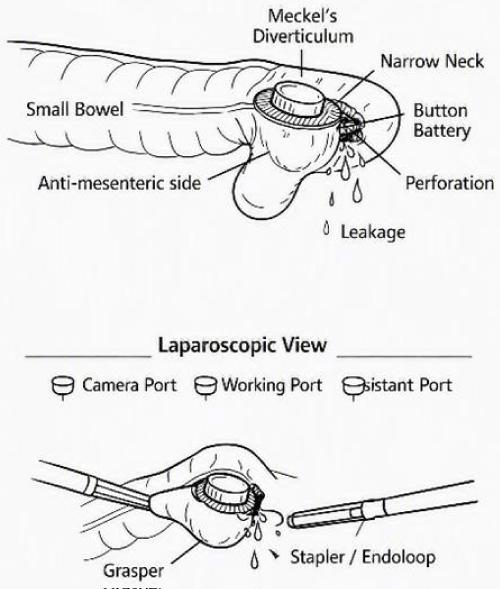
Pediatric Surgical Toxicology: High Risk Ingestions, Congenital Anomalies, and Operative Management Pathways
Paediatric surgical toxicology represents a critical intersection between toxic exposures and surgically significant pathology. While accidental ingestions in toddlers and intentional self‑harm ingestion in adolescents remain major contributors to paediatric toxicology, a subset of exposures produce life‑threatening surgical complications requiring urgent operative intervention. Button battery ingestion, multiple magnet ingestion, caustic agents, toxic foreign bodies, heavy metals, and…

Review Article | Open Access
Published on: 08 Oct 2026
Article ID: wjt.2026.j0803
Emerging Trends in Paediatric Toxicology: Psychotropic Drug Poisoning, High‑Risk Ingestions, and the Rising Burden of Adolescent Self‑Harm
Paediatric toxicology has undergone a profound epidemiological shift over the past decade. While accidental ingestions in toddlers remain common, a rapid rise in psychotropic drug poisoning and intentional self-harm ingestion among adolescents has transformed clinical practice. Psychotropic exposures have increased from 18.5% to 31.2% in recent years, with self-harm ingestion emerging as one of the strongest predictors of severe poisoning. Toddlers remain vulnerable to “one pill killers”…

Research Article | Open Access
Published on: 15 Aug 2026
Article ID: wjt.2026.h1501
Physiological Response, Serum Minerals, and Lipid Profile of Matured Crossbred Bucks Fed Diets Supplemented with Acalypha wilkesiana Leaf Powder and Ascorbic Acid
This study evaluated the physiological effects of dietary supplementation of Acalypha wilkesiana Leaf Powder (AWLP) and Ascorbic Acid (AA) on the haematology, serum biochemistry, and serum mineral profiles of matured rabbit bucks. Fifty matured crossbred bucks (New Zealand White×Chinchilla), weight-balanced and acclimatized for two weeks, were randomly assigned to five distinct dietary treatments (n=10 per treatment) in a Completely Randomized Design. Treatment 1 (T1) received a basal…

Research Article | Open Access
Published on: 15 Aug 2026
Article ID: wjt.2026.h1502
Comparative Effects of Bacillus subtilis Probiotic and Abutilon indicum Leaf Powder on Growth Performance, Nutrient Digestibility, Antioxidant Status, and Carcass Traits of Broiler Chickens
The search for viable, non-antibiotic alternatives in poultry nutrition has intensified focus on both microbial and phytogenic feed additives to optimize gut health and production efficiency. This study evaluated the comparative effects of Bacillus subtilis probiotic (Gallipro Max) and Abutilon indicum Leaf Powder (AILP) on the growth performance, nutrient digestibility, antioxidant status, and carcass traits of Ross 307 broiler chickens. A 42-day feeding trial was conducted using 500…

Commentary | Open Access
Published on: 14 Aug 2026
Article ID: wjt.2026.h1402
Beyond Exact Replication: Reflections on Ecological Reproducibility from Allozyme and Microsatellite Studies of Perna viridis in Malaysia
Scientific reproducibility has become a major concern across multiple research disciplines, particularly following reports that many published findings in biomedical sciences could not be independently replicated. However, the universal application of strict reproducibility standards across all scientific disciplines may overlook the inherent complexity and variability of ecological and biological systems. This commentary reflects upon two population genetic studies of the green-lipped…

Case Report | Open Access
Published on: 13 Feb 2026
Article ID: wjt.2026.b1306
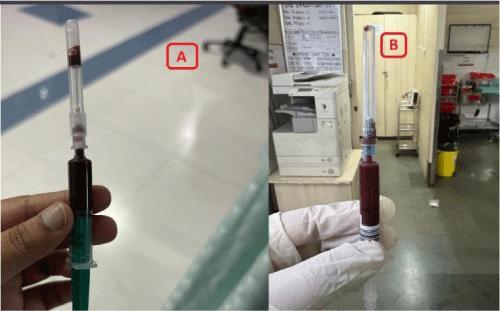
Management of Methemoglobinemia due to Terpene-lactoid Poisoning: A Case Report
In today’s world, herbal or “natural” insecticides are generally considered benign, but their toxic potential remains inadequately recognized. We report the case of a 75-year-old man who voluntarily took a commercially available herbicide containing terpenes, alkaloids, lactones and emulsifiers. He presented himself to the emergency department with repeated vomiting, altered sensors, progressive cyanosis and hypoxia, which did not improve despite additional oxygen. Initial clinical results…

Review Article | Open Access
Published on: 29 Oct 2025
Article ID: wjt.2025.j2901
Update in the Management of Acute Aluminum Phosphide Poisoning: A Narrative Review
Background: Aluminum phosphide is frequently used as a rodenticide and to preserve grain. There is a significant risk of aluminum phosphide self-poisoning because of its simple accessibility and lack of control. The fatality rate from aluminum phosphide intoxication is significant, and there is currently no known counteragent. There aren't many studies on aluminum phosphide poisoning in Ethiopia, despite its high frequency and fatality rate. This narrative review's aim is to…