
Browse Articles Online
Systematic Review | Open Access
Published on: 25 Mar 2026
Article ID: wjs.2026.c2506
Systematic Review on the Effectiveness of Anti-Embolism Stockings; A Need to Re-Evaluate the Evidence
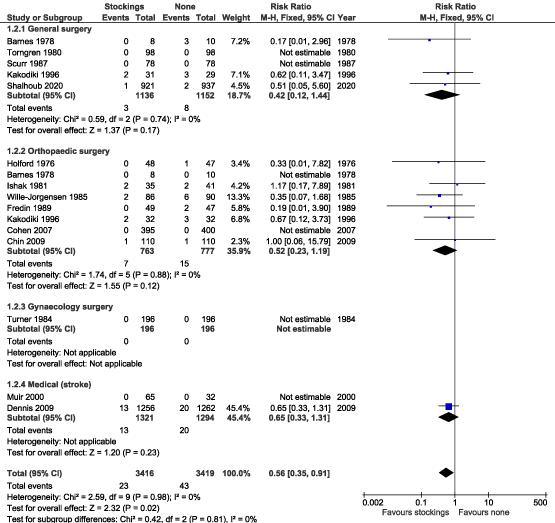
Objectives: To systematically review randomized controlled trials that have evaluated elasticated thrombo-embolic graduated compression stockings as prophylaxis of deep venous thrombosis in various health situations.
Design: Searches were carried out in the Cochrane Central Register of Controlled Trials, Medline, EMBASE and CINAHL and the results hand searched for trials registered up to March 2021.
Participants: A…


Review Article | Open Access
Published on: 25 Mar 2026
Article ID: wjam.2026.c2507
Pinostrobin- An Anti-Inflammatory Food Nutrient for Neuropathic Pain
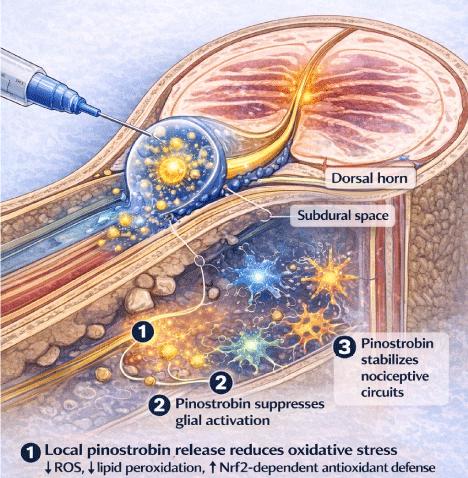
Background: Pinostrobin, a bioactive flavonoid isolated from Boesenbergia rotunda (aka. fingerroot, Chinese-thai ginger, lesser galangal, widely used in Thai cuisine ingredients), has demonstrated multiple neuroprotective and anti-inflammatory properties. Also available in Indian pigeon pea, leaf and seeds (Arhar dal), with anti-inflammatory functional food potential, for target population in India.
Preclinical evidence suggests its potential in the management of…


Research Article | Open Access
Published on: 23 Mar 2026
Article ID: wjav.2026.c2301
Branding and Advertising Strategies in Global Airline Communication: A Mixed-Method Analysis
This study explores branding and advertising strategies in the global airline industry, focusing on how message appeal and digital platform selection influence audience engagement. Drawing on Integrated Marketing Communication (IMC) and emotional branding theories, the research employs a mixed-methods design that combines quantitative content analysis and qualitative sentiment analysis. A total of 160 social media posts and 480 user comments were collected from Turkish Airlines, Emirates,…

Mini Review | Open Access
Published on: 13 Mar 2026
Article ID: wjptr.2026.c1301
Myofascial Pain Syndrome: Pathophysiology and Clinical Aspects
Background: Myofascial pain syndrome (MPS) is a highly prevalent yet frequently underdiagnosed musculoskeletal condition associated with significant functional impairment. Its clinical complexity and the absence of objective biomarkers contribute to diagnostic challenges.
Aims: To review the epidemiology, pathophysiology, clinical presentation and therapeutic management of MPS, with particular emphasis on its relevance to Physical and…

Case Presentation | Open Access
Published on: 13 Mar 2026
Article ID: wjed.2026.c1302
Compressive Dyshormonogenetic Goiter in Adults: Two Case Reports and an Updated Literature Review
Introduction: Dyshormonogenetic goiter is a rare cause of congenital hypothyroidism secondary to a defect in thyroid hormonogenesis. Despite early replacement therapy, a compressive multinodular goiter may appear in adulthood.
Observations: We report two patients aged 19 and 28 years, followed since childhood for congenital hypothyroidism, who developed a compressive multinodular goiter treated by total thyroidectomy. Histopathological…

Research Article | Open Access
Published on: 13 Mar 2026
Article ID: wjns.2026.c1303
Post Traumatic Meningitis Outcomes and Incidences on Mental Health
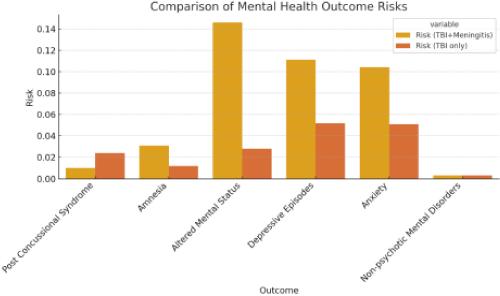
Background: Traumatic brain injury (TBI) causes substantial morbidity and long-term neuropsychiatric sequelae. Bacterial meningitis may worsen outcomes after TBI, yet its mental health impact is under characterized. This study examined 90-day neuropsychiatric outcomes following post-traumatic meningitis.
Methods: We performed a retrospective cohort study using the TriNetX Global Collaborative Network. Two propensity-matched cohorts were…

Case Report | Open Access
Published on: 13 Mar 2026
Article ID: wju.2026.c1304
Organ-Preserving Management of Primary Lynch Syndrome–Associated High-Grade Upper Tract Urothelial Carcinoma Using Gemcitabine–Cisplatin and Pembrolizumab: First Reported Case Worldwide
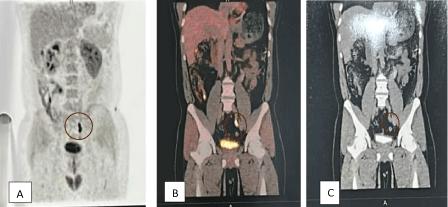
Lynch syndrome (LS), caused by germline mismatch-repair mutations, increases the risk of upper tract urothelial carcinoma (UTUC), for which radical nephroureterectomy is the standard treatment. Non-surgical curative management has not been described previously. We report a 48-year-old man with MSH2-associated LS who presented with a 3.5 cm distal ureteric high-grade UTUC. To preserve renal function, multidisciplinary consensus favoured systemic therapy over surgery. He received…

Case Report | Open Access
Published on: 13 Mar 2026
Article ID: wjprm.2026.c1305
Malignant Pleural Mesothelioma in Women: A Case Report
Pleural mesothelioma is a primary malignant tumor of the pleura whose origin is multifactorial. Exposure to asbestos in the home or at work is the main risk factor incriminated in the pathophysiology of pleural mesothelioma. Occupational exposure makes this pathology a notifiable disease. Diagnosis is histological by thoracoscopy, but histopathological study is difficult because pleural mesothelioma has a broad morphological spectrum and poses a problem of differential diagnosis with several…


Case Report | Open Access
Published on: 13 Mar 2026
Article ID: wjprm.2026.c1306
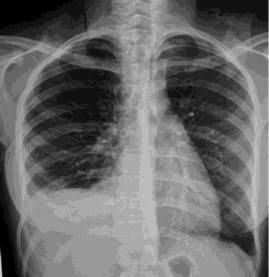
Pleuropulmonary Staphylococcal Disease in Young Immunocompetent Man: A Case Report
Staphylococcal pleuropulmonary disease (SPP) is an infectious pathology caused by Staphylococcus aureus, a germ responsible for a wide range of suppurative, toxigenic and multifocal infections (cutaneous, osteoarticular, pulmonary, etc.).
This entity is most often associated with staphylococcal acute community-acquired pneumonia, the prevalence of which remains low at 2-5% [1]. It mainly affects the elderly, people living in institutions or with co-morbidities. Recent studies…

Opinion | Open Access
Published on: 11 Mar 2026
Article ID: wjptr.2026.c1101
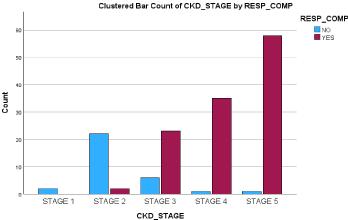
Prevalence of Respiratory Complications in Chronic Kidney Disease Patients
Background: Chronic kidney disease is a progressive condition that affects multiple organ systems, including the respiratory system. Respiratory complications ae more common in CKD. This can significantly increase mortality and morbidity. Early detection is more essential for proper management.
Objective: To evaluate the prevalence and types of respiratory complications among patients with CKD and to assess the association between CKD stage and…