Archived Articles
Research Article | Open Access
Published on: 02 Sep 2026
Article ID: wjptr.2026.i0201
Predictive Value of Functional Movement Screening Combined with Physical Performance Measures for Musculoskeletal Injury Prevention in College Students: A 12-Month Prospective Cohort Study
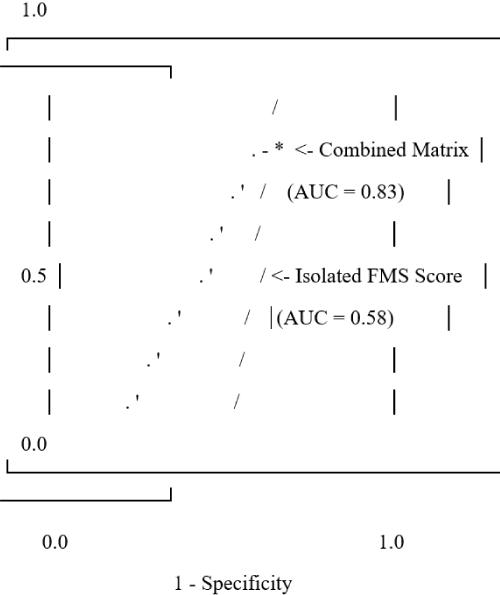
Background: Musculoskeletal Injuries (MSKIs) significantly impact the functional independence and academic consistency of college students. While the Functional Movement Screen (FMS) is widely deployed to identify movement dysfunctions, its isolated prognostic utility remains highly controversial.
Objective: To determine whether combining the FMS with targeted physical performance measures improves the predictive accuracy for non-contact MSKIs in…

 DOI: 10.5281/zenodo.22538240 »

Research Article | Open Access
Published on: 14 Aug 2026
Article ID: wjptr.2026.h1404
Acceptability of Motion Sickness Goggles for Balance Rehabilitation
This study assessed the acceptability of Motion Sickness Goggles as a balance rehabilitation tool among licensed physical therapists. Guided by the Cognitive Load Theory, a quantitative descriptive research design was used. Data were collected from 30 licensed physical therapists with at least two years of experience in balance rehabilitation using a researcher‑made survey questionnaire. Statistical tools included frequency, percentage, and weighted mean, with a 5‑point Likert scale for…

Research Article | Open Access
Published on: 14 Aug 2026
Article ID: wjptr.2026.h1405
Development and Acceptability of an Ergonomic Armchair Attachment for Posture Correction Among College Students
Poor posture among college students has become a growing health concern due to prolonged sitting and the widespread use of conventional classroom armchairs that provide inadequate ergonomic support. Extended exposure to poor sitting posture may contribute to musculoskeletal discomfort, spinal misalignment, fatigue, and reduced functional performance. Although ergonomic furniture has been recommended to address these issues, replacing existing classroom furniture is often financially…

Research Article | Open Access
Published on: 10 Aug 2026
Article ID: wjptr.2026.h1005
Hamstring Flexibility and Dynamic Balance in Regular Versus Irregular Male Salah Performers: A Comparative Cross-Sectional Study
Background: Daily Islamic prayer (Salah) comprises a structured sequence of whole-body postural transitions that systematically engage the musculoskeletal and neuromuscular systems. Despite near-universal observance among practising Muslims worldwide, the extent to which habitual prayer performance influences objective measures of posterior chain flexibility and dynamic postural stability have not been rigorously established through standardised field…

Research Article | Open Access
Published on: 10 Aug 2026
Article ID: wjptr.2026.h1006
Lumbar Flexibility and Chronic Low Back Pain Prevalence in Regular Versus Irregular Salah Performers: A Comparative Cross-Sectional Study in Mixed-Gender Adults
Background: Low Back Pain (LBP) ranks among the leading causes of years lived with disability globally, with habitual physical inactivity identified as a principal modifiable risk factor. Daily Islamic prayer (Salah) involves a structured sequence of spinal flexion, extension, and postural loading that is mechanically distinct from sedentary behaviour and may exert protective effects on lumbar health. The extent to which regular Salah practice is associated with superior…

Research Article | Open Access
Published on: 10 Aug 2026
Article ID: wjptr.2026.h1007
Shoulder Mobility and Cervical Postural Alignment in Regular Versus Irregular Salah Performers: A Comparative Cross-Sectional Study
Background: Habitual physical inactivity is a recognised contributor to progressive shoulder stiffness and forward head posture, two of the most prevalent upper quadrant musculoskeletal presentations in contemporary adults. Daily Islamic prayer (Salah) imposes a structured sequence of upper limb elevation, cervical flexion and extension, and bilateral trunk rotation that may exert biomechanically meaningful stimuli on glenohumeral mobility and cervicocranial alignment. No…

Letter to Editor | Open Access
Published on: 08 Aug 2026
Article ID: wjptr.2026.h0803
Randomized Controlled Study of IASTM vs. SHAM Treatment in Alleviating Symptoms Associated with Upper Trapezius Myofascial Trigger Points
We read with great interest the article recently published article Randomizes controlled trial by Falame and Borres with the title “Randomized controlled study of IASTM vs. SHAM Treatment in Alleviating Symptoms Associated with upper trapezius myofascial trigger points” [1]. The Author must be applauded for looking into an important clinical topic and for incorporating a shamcomparison group to explore the specific effects of IASTM. Apart for this there are several methodological and…

Case Report | Open Access
Published on: 25 Jul 2026
Article ID: wjptr.2026.g2504
Restoring Movement Through Clinical Pilates: A Case Report in a Patient with Persistent Symptoms Following Lumbar Spine Surgery
Persistent pain, movement dysfunction, and functional limitations may remain after lumbar spine surgery despite correction of structural pathology, highlighting the need for rehabilitation approaches that support functional recovery. Clinical Pilates (CP) integrates breathing, postural alignment, neuromuscular retraining, and individualized exercise progression, yet evidence regarding its role in long-term postoperative spinal rehabilitation remains limited. This retrospective case report…

Letter to Editor | Open Access
Published on: 25 Jul 2026
Article ID: wjptr.2026.g2505
Letter to the Editor -"Effectiveness of Multimodal Ergonomic Interventions Versus Standard Postural Education for Smartphone-Related Postural Dysfunction: A Three-Arm Randomized Controlled Trial"
We read with considerable interest the three-arm randomized controlled trial (RCT) by Muthukrishnan and Rajadurai (2026) comparing Multimodal Ergonomic Intervention (MEI), Wearable Posture Biofeedback Training (WPBT), and Standard Postural Education (SPE) for smartphone-related postural dysfunction (SRPD). The study addresses a clinically significant and growing public health burden, and the authors are commended for their prospective CTRI registration, assessor-blinding, and…

Research Article | Open Access
Published on: 23 Jul 2026
Article ID: wjptr.2026.g2306
Innovations in Blood Pressure Monitoring: Physical Therapists' Acceptance of Smartwatch for Patient Self Monitoring
Blood pressure (BP) monitoring is a vital component of cardiovascular health assessment, yet its routine use is often hindered by accessibility issues and reliance on traditional instruments typically used by medical professionals. This study aimed to assess the acceptance of BP-monitoring smartwatches (wearable devices) among licensed Physical Therapists in Laguna, Philippines.
A quantitative descriptive research design was utilized, with data collected through an online survey…