Recently Published Articles
Case Report | Open Access
Published on: 22 Jan 2026
Article ID: wjn.2026.a2202
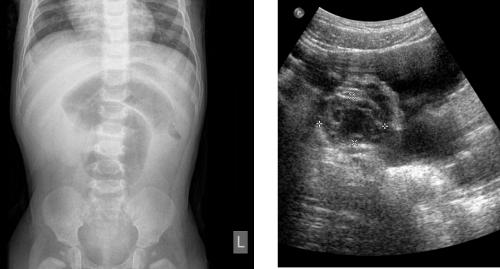
Familial Hypoganglionosis Presenting as Maternal Chronic Intestinal Dysmotility with Co‑Occurring Subacute Combined Degeneration and Severe Anemia, and Acute Intussusception in Her Infant Daughter: A Two‑Generation Case Series
We describe a mother–infant dyad. The mother, a 16‑year‑old teenager, presented with a background of lifelong chronic constipation, recurrent abdominal discomforts, pain and distension, and malabsorption. The patient presented suddenly with progressive gait disturbance, and profound anemia. She was diagnosed with hypoganglionosis on full‑thickness biopsy and SCD on MRI. Her infant daughter presented at 7 months with acute ileocolic intussusception, requiring radiological reduction. Both…

 DOI: 10.5281/zenodo.18447808 »

Case Presentation | Open Access
Published on: 03 Jan 2026
Article ID: wjn.2026.a0305
Amlodipine: Guardian or Provocateur? Exploring Its Role in Parkinsonism
Drug-induced parkinsonism (DIP) is a debilitating side effect associated with several classes of medications. Amlodipine is a widely used dihydropyridine calcium channel blocker (CCB) commonly prescribed for hypertension and angina. We present a case of a 62-year-old man who underwent liver transplantation and developed parkinsonism shortly after initiation of amlodipine for hypertension. After ruling out other causes for his neurological presentation, discontinuation of amlodipine resulted…

Research Article | Open Access
Published on: 18 Dec 2025
Article ID: wjn.2025.l1802
Next-Generation Neurological Physiotherapy: Deep Learning–Based Movement Profiling and Real-Time Personalized Rehabilitation Algorithms
Neurological physiotherapy is entering a pivotal phase where conventional protocol-driven care is increasingly misaligned with the complexity and heterogeneity of real-world disability. Patients with stroke, traumatic brain injury, spinal cord injury, Parkinsonian syndromes, and other central nervous system disorders present with highly individualized movement impairments that evolve over time. Yet most rehabilitation pathways remain anchored to coarse clinical scales and therapist…

Research Article | Open Access
Published on: 29 Nov 2025
Article ID: wjn.2025.k2901
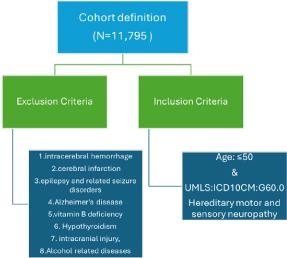
Exploring the Incidence of Cognitive Dysfunction and Sleep Disorders in Charcot-Marie-Tooth
Background: Charcot-Marie-Tooth disease (CMT) is a genetically heterogeneous peripheral neuropathy traditionally considered to spare the central nervous system (CNS). However, recent reports suggest possible CNS involvement, including cognitive impairment and sleep disturbances. The true prevalence of these manifestations remains unclear due to limited large-scale data.
Methods: We conducted a retrospective cohort study using data from 141…

Research Article | Open Access
Published on: 29 Nov 2025
Article ID: wjn.2025.k2904
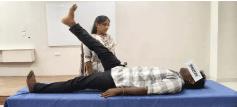
Association Between Lower Limb Neural Mechanosensitivity and Functional Disability in Patients with Lumbosacral Radiculopathy: An Observational Study
Background: Lumbosacral radiculopathy (sciatica) commonly arises from lumbar disc herniation and presents with radiating leg pain, paresthesia, and functional disability. Neurodynamic tests such as the Straight Leg Raise (SLR) and Slump tests are routinely used to evaluate neural mechanosensitivity; however, quantitative comparisons between symptomatic and asymptomatic individuals remain limited.
Objective: To quantify and compare lower limb…

Case Report | Open Access
Published on: 22 Oct 2025
Article ID: wjn.2025.j2201
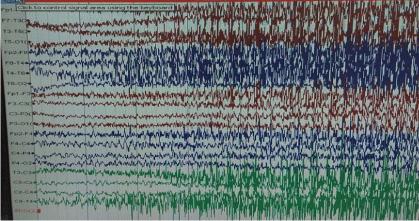
Bathing-Related Reflex Epilepsy in a Young Adult: First Reported Case from Palestine
Bathing-related reflex epilepsy (BRE) is an uncommon type of reflex epilepsy characterized by seizures that are reliably induced by contact with water during bathing or showering. In contrast to the more prevalent hot-water epilepsy (HWE), which is temperature-dependent, typically focal, and often benign, bathing-related epilepsy (BRE) can manifest with water of any temperature, display generalized features, and demonstrate resistance to pharmacological treatment. A 22-year old male is…