
Browse Articles Online

Research Article | Open Access
Published on: 15 Aug 2026
Article ID: wjt.2026.h1502
Comparative Effects of Bacillus subtilis Probiotic and Abutilon indicum Leaf Powder on Growth Performance, Nutrient Digestibility, Antioxidant Status, and Carcass Traits of Broiler Chickens
The search for viable, non-antibiotic alternatives in poultry nutrition has intensified focus on both microbial and phytogenic feed additives to optimize gut health and production efficiency. This study evaluated the comparative effects of Bacillus subtilis probiotic (Gallipro Max) and Abutilon indicum Leaf Powder (AILP) on the growth performance, nutrient digestibility, antioxidant status, and carcass traits of Ross 307 broiler chickens. A 42-day feeding trial was conducted using 500…


Review Article | Open Access
Published on: 15 Aug 2026
Article ID: wjim.2026.h1503
Minocycline: A Comprehensive Review of Its Antibiotic and Pleiotropic Actions, Pharmacokinetics, and Therapeutic Landscape
Minocycline, a semi-synthetic, second-generation tetracycline antibiotic, has long been a cornerstone in the treatment of various infectious diseases and, notably, acne vulgaris [1, 2]. Its primary mechanism of action involves binding to the bacterial 30S ribosomal subunit, thereby inhibiting protein synthesis [3]. However, contemporary research has revealed that Minocycline possesses significant pleiotropic effects that extend far beyond its antimicrobial properties, including potent…


Research Article | Open Access
Published on: 15 Aug 2026
Article ID: wjps.2026.h1504
Cultivating a Dignified and Radiant Appearance Through Buddhism
The desire to improve physical appearance is universal, and contemporary approaches typically rely on cosmetics, skincare products, or cosmetic surgery. In contrast, Buddhist teachings propose that one's appearance is closely connected to one's mental state, moral conduct, and karmic conditions. This article presents the case of a Buddhist practitioner who experienced a remarkable transformation in both character and appearance following sustained Buddhist cultivation. Prior to learning…

Commentary | Open Access
Published on: 14 Aug 2026
Article ID: wjt.2026.h1402
Beyond Exact Replication: Reflections on Ecological Reproducibility from Allozyme and Microsatellite Studies of Perna viridis in Malaysia
Scientific reproducibility has become a major concern across multiple research disciplines, particularly following reports that many published findings in biomedical sciences could not be independently replicated. However, the universal application of strict reproducibility standards across all scientific disciplines may overlook the inherent complexity and variability of ecological and biological systems. This commentary reflects upon two population genetic studies of the green-lipped…

Commentary | Open Access
Published on: 14 Aug 2026
Article ID: wjr.2026.h1403
A Reflective Commentary on Occupational Radiation Exposure, Cancer Claims, and Scientific Responsibility in Hospitals: From the Perspective of an Ecotoxicologist
Recent concerns involving cancer cases among hospital staffs in Malaysia, particularly those working in radiation-related units, have triggered legal action and public debate. As an ecotoxicologist, this situation is not unfamiliar. It reflects a broader and recurring challenge in environmental health sciences: the difficulty of linking chronic, low-dose exposure to long-term biological outcomes. This commentary reflects on the scientific, ethical, and institutional dimensions of such cases.…

Research Article | Open Access
Published on: 14 Aug 2026
Article ID: wjptr.2026.h1404
Acceptability of Motion Sickness Goggles for Balance Rehabilitation
This study assessed the acceptability of Motion Sickness Goggles as a balance rehabilitation tool among licensed physical therapists. Guided by the Cognitive Load Theory, a quantitative descriptive research design was used. Data were collected from 30 licensed physical therapists with at least two years of experience in balance rehabilitation using a researcher‑made survey questionnaire. Statistical tools included frequency, percentage, and weighted mean, with a 5‑point Likert scale for…

Research Article | Open Access
Published on: 14 Aug 2026
Article ID: wjptr.2026.h1405
Development and Acceptability of an Ergonomic Armchair Attachment for Posture Correction Among College Students
Poor posture among college students has become a growing health concern due to prolonged sitting and the widespread use of conventional classroom armchairs that provide inadequate ergonomic support. Extended exposure to poor sitting posture may contribute to musculoskeletal discomfort, spinal misalignment, fatigue, and reduced functional performance. Although ergonomic furniture has been recommended to address these issues, replacing existing classroom furniture is often financially…

Review Article | Open Access
Published on: 14 Aug 2026
Article ID: wjo.2026.h1406
Molecular Biology of Astroblastoma-An Essential Review
Astroblastoma is a rare, well-circumscribed neuroepithelial central nervous system tumor that predominantly affects children, young adults, and females, accounting for 0.45% to 2.8% of all primary brain gliomas. At the molecular level, its defining pathognomonic hallmark is the rearrangement of the MN1 (Meningioma 1) gene located on chromosome 22q12.1. This genetic alteration typically results in oncogenic fusions with various partner genes, most frequently BEND2 or CXXC5, which serve as…

Review Article | Open Access
Published on: 12 Aug 2026
Article ID: wjap.2026.h1201
The World Peace Plan: A Unified Neomodern Research Economy, Space-Technology Mode of Production, and Social-Public Health Superstructure
This paper proposes a neomodern theoretical synthesis in which a research-directed economy, public health equity, gravitoelectric launch architecture, autonomous space-drone industry, fusion propulsion, warp-field metrics, asteroid-belt mining, and cultural synthesis together form the next stage of the human mode of production. Drawing upon published work on gravitoelectric cumulative transference, warp-field displacement, fusion propulsion, artificial intelligence economic planning,…

Research Article | Open Access
Published on: 12 Aug 2026
Article ID: wjets.2026.h1202
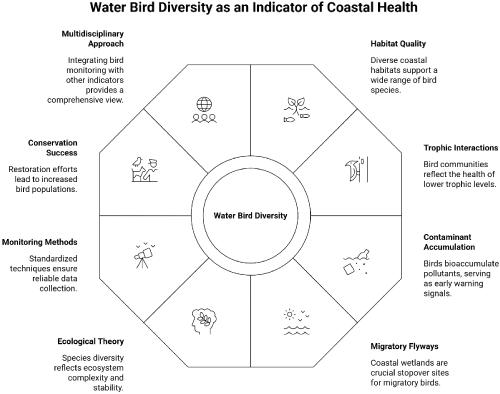
Water Bird Diversity as an Indicator of Coastal Health and Pollution: A Narrative Review with SWOT Perspectives
Coastal ecosystems are among the world's most productive environments, supporting fisheries, biodiversity, carbon sequestration, nutrient cycling, shoreline stabilization, and numerous ecosystem services essential for human well-being. However, rapid urbanization, industrialization, land reclamation, agricultural expansion, aquaculture, tourism development, and climate change have accelerated habitat degradation and pollution across coastal regions. These pressures have highlighted the need…